
City of London School



By the beginning of the nineteenth century, the accumulated funds greatly exceeded the cost of their education. Warren Stormes Hale, a future Lord Mayor, worked for the creation of a permanent school. In his negotiations in the City, Hale drew support from progressive educationalists such as George Birkbeck, and, above all, the Whig Lord Chancellor, Lord Brougham, a radical patrician with the vision and drive to push the necessary Act through Parliament in 1834.
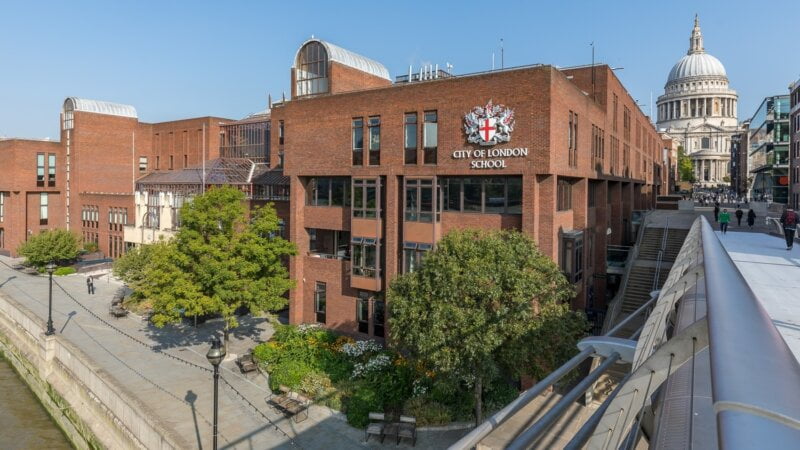
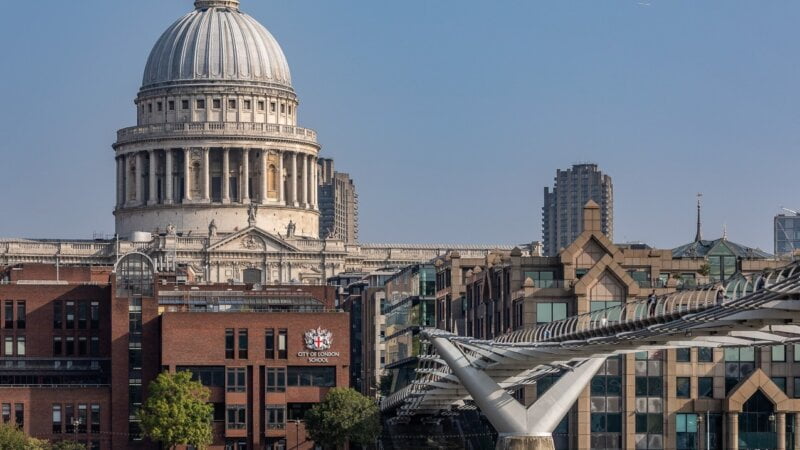
In the Act, the Corporation of London took over the Carpenter Estates and created a School Committee as the governing body. Unusually, there was to be no religious test for either boys or masters. The curriculum laid down by the Committee broke with the customary monopoly of classics, and specified science and a range of modern languages, taught by native speakers, and Hebrew. The new School, a neo-Gothic structure designed by J B Bunning for 400 boys, opened its doors in Milk Street in 1837.
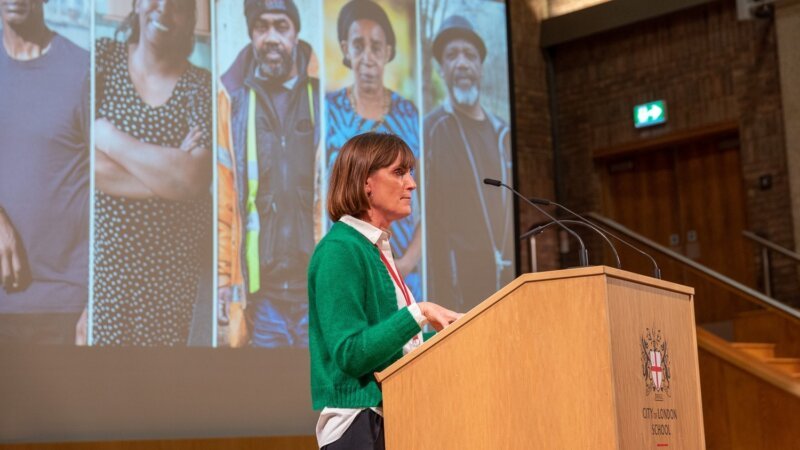
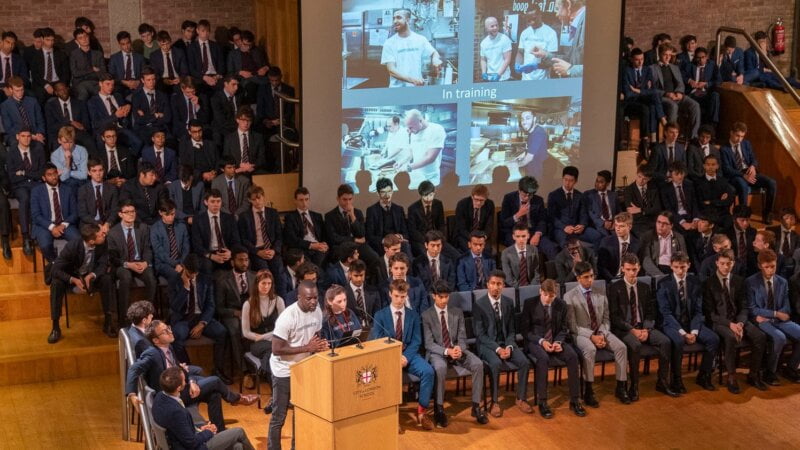
At City of London School, we understand that for boys to thrive, they must be happy. It is why we cherish individuality, shun stereotypes, and encourage every pupil to be the very best version of themselves. With a vibrant, multicultural city on our doorstep, we draw strength from difference, recognising that diverse perspectives can help answer big questions.
As a result, every member of our community is keenly aware of their responsibility and capacity to make a difference, right now. Through it all, we ensure our pupils are ready for the rapidly changing demands of the coming decades. This shows in our commitment to academic excellence, but also in our restless curiosity and desire to improve in everything we do. It means our pupils are equipped to provide the kind, inquisitive and respectful leadership that our society will so urgently require in the decades ahead.